

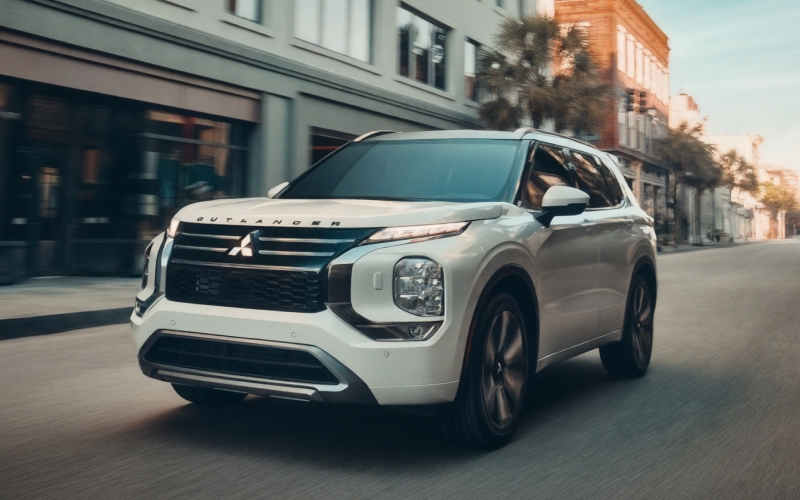
South Dallas Mitsubishi - Which SUV fits family life in Plano, TX better: the 2026 Mitsubishi Outlander or the 2026 Kia Sportage?
When families start comparing three-row and two-row compact SUVs, the conversation quickly turns to flexibility. That’s why so many shoppers ask a straightforward question: which SUV fits family life in Plano, TX better, the 2026 Mitsubishi Outlander or the 2026 Kia Sportage? The answer starts with how many people you need to carry today, and how often that number changes tomorrow. Outlander is a true three-row SUV with standard seating for seven, while Sportage remains a two-row, five-passenger model. If you’ve ever had to shuffle schedules or make an unexpected third pickup after practice, you know how valuable that third row can be.
The Outlander extends its advantage with a 40:20:40 split second row and an easily accessible third row designed for kids and occasional adult use. That flexibility matters in Plano’s daily rhythm—quick runs down Spring Creek Parkway, after-school pickups off Preston Road, and weekend errands that require both seats and space. By contrast, Sportage offers standout second-row legroom and a generous cargo hold for a five-passenger SUV, which appeals to buyers who rarely carry more than four. Both SUVs offer wireless Apple CarPlay® and Android Auto™, logical infotainment layouts, and available premium audio—Harman Kardon® in Sportage and the finely tuned Dynamic Sound Yamaha® in Outlander. The difference is how far their cabins stretch to accommodate life’s curveballs.
Performance and all-weather confidence
North Texas weather can be unpredictable, and road conditions can shift quickly after a storm. Outlander’s available Super All-Wheel Control (S-AWC) integrates traction, yaw control, and multiple drive modes—Tarmac, Gravel, Snow, Normal, Eco, and on select configurations, Mud—to keep power smartly routed when the surface changes. Sportage counters with available AWD and a Multi-Terrain Mode selector on specific trims (mud, snow, sand), which is a real advantage for light off-pavement detours and sloppy lots. Both systems add confidence; S-AWC stands out for the natural, integrated feel it brings to everyday drives, especially when you’re juggling traffic merges around US-75 or navigating rain-slick neighborhood streets after a late storm.
Each SUV offers a 360-degree camera system on select trims that makes garage and curbside maneuvers feel easy. For long freeway stretches, Outlander offers available MI-PILOT Assist with Navi-link (Adaptive Cruise Control with lane centering), while Sportage offers available Highway Driving Assist. These driver-assist technologies are designed to reduce fatigue and provide a calmer feel behind the wheel—helpful on weekly commutes, tournament travel, or family road trips where consistent support makes a difference by the end of the day.
Cabin technology that meets busy schedules
Outlander brings a standard 12.3-inch Smartphone-link Display Audio with Navigation on many trims and wireless smartphone mirroring, plus available upgrades like a 12.3-inch full digital driver display and Head-Up Display. The Dynamic Sound Yamaha® systems—Premium and Ultimate—are tuned specifically for in-vehicle acoustics, with speed, rain, and A/C-compensated volume features that maintain clarity when cabin noise rises. Sportage impresses with its available Dual Panoramic Display (approximately 24 inches combined) and available Blind-Spot View Monitor that feeds a live camera view into the instrument cluster. Both prioritize seamless connectivity; Outlander adds small but meaningful touches that keep music and information consistent when the cabin or weather changes.
Because both nameplates offer strong tech, it’s helpful to think about how feature availability aligns with your needs. If you value an available Head-Up Display to keep key info in your line of sight or want immersive, concert-like sound tuned for a moving cabin, Outlander deserves a close look. If you prefer the aesthetic of dual widescreens and rarely carry more than five, Sportage’s layout and display design may resonate more.
Everyday utility: seating, cargo, and towing
When your day involves juggling passengers and gear, third-row seating is a major differentiator. Outlander’s third row is ideal for kids, and it folds flat to expand cargo space when you don’t need the extra seats. The second row’s 40:20:40 split is particularly useful for hauling long items—fold the center portion for skis, a rolled-up tent, or a couple of folding chairs without sacrificing outboard seating. Sportage delivers impressive two-row cargo flexibility, and if you consistently drive with four people or fewer, it’s more than up to the task. Both models can tow up to 2,000 pounds when properly equipped, covering small trailers and weekend toys.
Parking and tight spaces are another practical consideration. With an available Multi-View camera system on Outlander and a Surround View Monitor on Sportage, either SUV can reduce the stress of dense lots near shops, parks, or popular dining spots. For Plano-area households that share a vehicle among multiple drivers, these tools can make a meaningful difference day after day.
- Seating reality check: Outlander seats seven with a third row; Sportage seats five.
- Traction technology: Outlander’s available S-AWC emphasizes integrated control; Sportage offers available AWD with terrain modes.
- Display and audio: Outlander offers available HUD and Yamaha® audio; Sportage offers an available dual-display cockpit and Harman Kardon® audio.
To make your choice easier, think about the last time you had to adjust plans on the fly. If the answer involved a scheduling scramble or asking a neighbor to help with a ride, the Outlander’s third row solves a pain point many families accept as normal.
- List who rides with you most weeks—include friends and teammates who hop in regularly.
- Consider what you carry—are there long items that benefit from a split second row?
- Think about traction needs—do you value integrated drive modes for mixed conditions?
- Decide which tech improves your daily routine—HUD, 360-degree cameras, or dual displays.
Frequently Asked Questions:
Does the 2026 Mitsubishi Outlander really seat seven adults comfortably?
Outlander’s third row is best for kids or short trips with smaller adults, which is typical for compact three-row SUVs. The advantage is flexibility—having a third row at all often eliminates the need for a second vehicle.
How does Outlander’s S-AWC feel in normal driving?
It’s unobtrusive. You notice it most when surfaces change—like hitting standing water—and the SUV simply stays composed instead of darting or slipping.
Is the 360-degree camera worth it on either SUV?
Yes. For busy parking lots, curbside pickups, and tight garages, the aerial view reduces guesswork and helps protect wheels and bumpers.
Which model is better if I never need a third row?
If you consistently carry four or fewer people and love a two-row layout with a bold cabin display, Sportage is compelling. If you ever need six or seven seats—or just want that safety net—Outlander is the safer bet.
Choosing between these two often comes down to whether a third row will simplify your life. South Dallas Mitsubishi is serving Garland, Plano, and Arlington with side-by-side comparisons so you can test seating, cargo solutions, and driver-assist features in real time. One visit can clarify what fits your family best—and why the Outlander’s built-in flexibility tends to win long-term.
Ready to try both configurations back-to-back? An on-road demo with school bags, strollers, or sports gear can highlight differences you won’t see on a spec sheet. The right answer is the one that makes your week run smoother—and for many households, that’s the three-row confidence of the Outlander.
Request more 2026 Mitsubishi Outlander information
Categories:
Mitsubishi Outlander